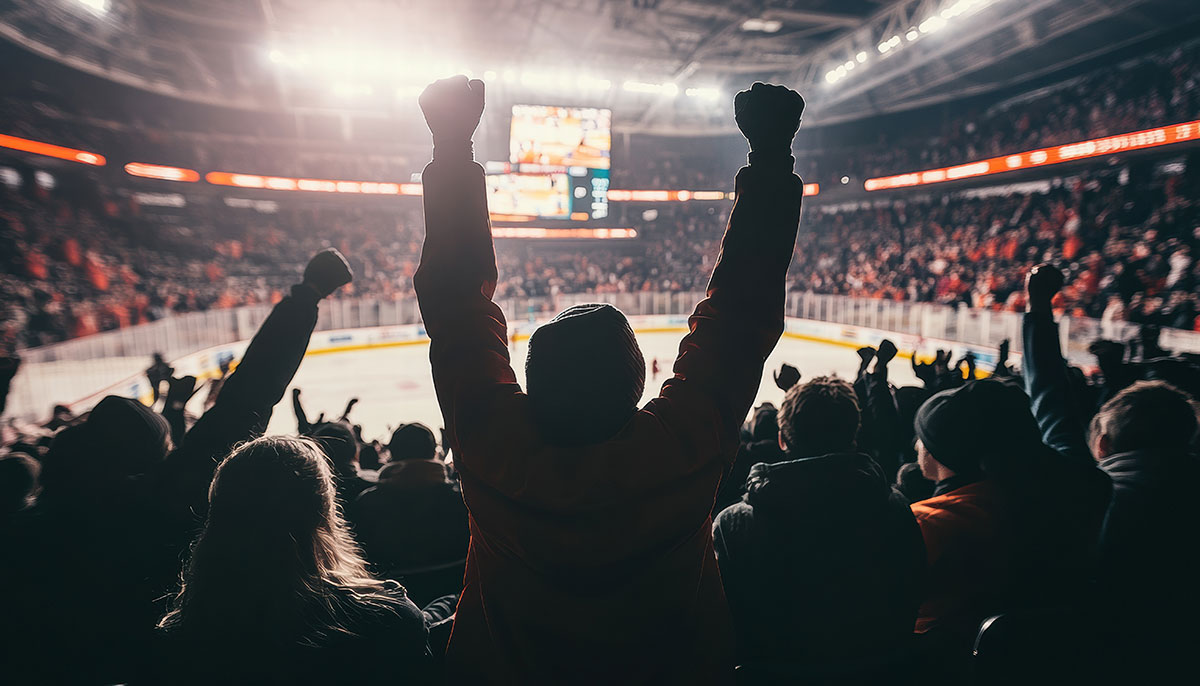
Sports have always held a unique place in my life. As a corporate tax lawyer, I am accustomed to navigating complex systems and analyzing detailed arguments. Yet, nothing compares to the simplicity and universality of attending a sporting event or following a local team. The intensity of a hockey game, the rhythm of a basketball match, and the collective anticipation in arenas and stadiums highlight the capacity of sports to unite people across social and generational lines. Cheering for local teams such as the Winnipeg Jets or the Vancouver Canucks is more than an exercise in fandom; it is a way to engage with the community, establish shared identities, and reinforce bonds that endure over time.
Shared Passion as a Vehicle for Connection
One of the most compelling aspects of local sports is their ability to cultivate intergenerational and cross-cultural connections. Sports provide a shared language that transcends professional, social, and cultural boundaries. Friends, family members, colleagues, and neighbors can experience a common thrill when a team executes a successful play or a tense moment unfolds. These experiences foster conversation, storytelling, and collective memory. By following the same team, individuals participate in a cultural practice that creates a sense of belonging and continuity, allowing lessons and values such as perseverance, teamwork, and strategic thinking to resonate beyond the game itself.
Local Teams as Anchors of Community
The Winnipeg Jets and Vancouver Canucks serve as more than just professional sports organizations. They operate as civic touchstones, anchoring social networks and providing venues where community identity is reinforced. Fans gather in arenas, bars, or living rooms to share the experience of live games, creating opportunities for informal social cohesion. The presence of local teams stimulates economic activity, drawing residents to restaurants, retail spaces, and cultural institutions, thereby intertwining sport with broader civic engagement. In this sense, the teams act as focal points around which communal life circulates, fostering interaction between individuals who might otherwise have limited contact.
Social Bonds Forged Through Shared Fandom
Attending games or engaging with team communities cultivates social bonds that extend beyond the field or rink. Regularly interacting with other fans (whether discussing strategies, celebrating victories, or commiserating over defeats) produces enduring relationships. Community initiatives tied to local sports, such as youth programs, charity events, and mentorship opportunities, enhance the social dimension, enabling individuals to contribute actively to the welfare of their neighbors and the development of emerging generations. These collective experiences transform spectatorship into participation, demonstrating the capacity of sports to create both social and civic value.
Sports as a Source of Civic Pride and Identity
Professional teams are closely intertwined with regional and municipal identity. The achievements of the Winnipeg Jets or Vancouver Canucks inspire communal pride that transcends individual fan experience. Victories and memorable moments are collectively celebrated, becoming part of the city’s narrative and shared history. Civic pride derived from local sports fosters broader engagement with community initiatives, cultural programming, and social development. Supporting a team becomes an act of participation in the life of a city, reinforcing communal bonds while simultaneously cultivating an appreciation for the collective achievements of the local populace.
The Role of Youth Engagement in Community Development
Local sports programs and initiatives offer significant opportunities for youth development. Children and adolescents exposed to games or team-led programs experience lessons in teamwork, discipline, and leadership that extend beyond athletic performance. Mentorship, educational partnerships, and youth camps provide platforms for young people to engage meaningfully with their peers and role models. By participating in these initiatives, young individuals develop skills and character traits that contribute to both personal success and the broader social fabric. The integration of sport, mentorship, and community engagement underscores the transformative potential of local teams as instruments of societal enrichment.
Connecting Through Technology and Media
The digital age has expanded the capacity for connection through sports. Fans can follow live broadcasts, engage in online discussions, and participate in virtual communities centered on their favorite teams. Technology allows supporters to maintain a sense of shared experience even when geographic distance separates them from arenas or stadiums. For someone like me, who also follows teams beyond local markets, including the New York Rangers and Phoenix Suns, these digital connections reinforce a feeling of belonging while enabling engagement with a broader network of fellow enthusiasts. This hybrid of in-person and virtual interaction illustrates the evolving ways in which sports continue to shape social relationships.
The Enduring Significance of Community Through Sport
In reflecting on the role of sports in society, it becomes evident that their impact extends far beyond competition. Cheering for the Winnipeg Jets or Vancouver Canucks facilitates connections between friends, family, and neighbors while promoting a shared identity and civic engagement. Sports cultivate intergenerational bonds, support youth development, and create opportunities for social cohesion that are difficult to replicate in other contexts. For me, the exhilaration of a game is inseparable from the communal energy it generates. In balancing a career in law with a passion for sports and the arts, I have come to recognize that the true value of local teams lies not only in their performance on the ice or court but in their capacity to build enduring connections, inspire collective pride, and enrich the fabric of the communities they represent.